
What is cold foam, and why we use it so much
That soft, thick layer floating on top of our iced lattes. What it is, how it is made and how to make it at home.
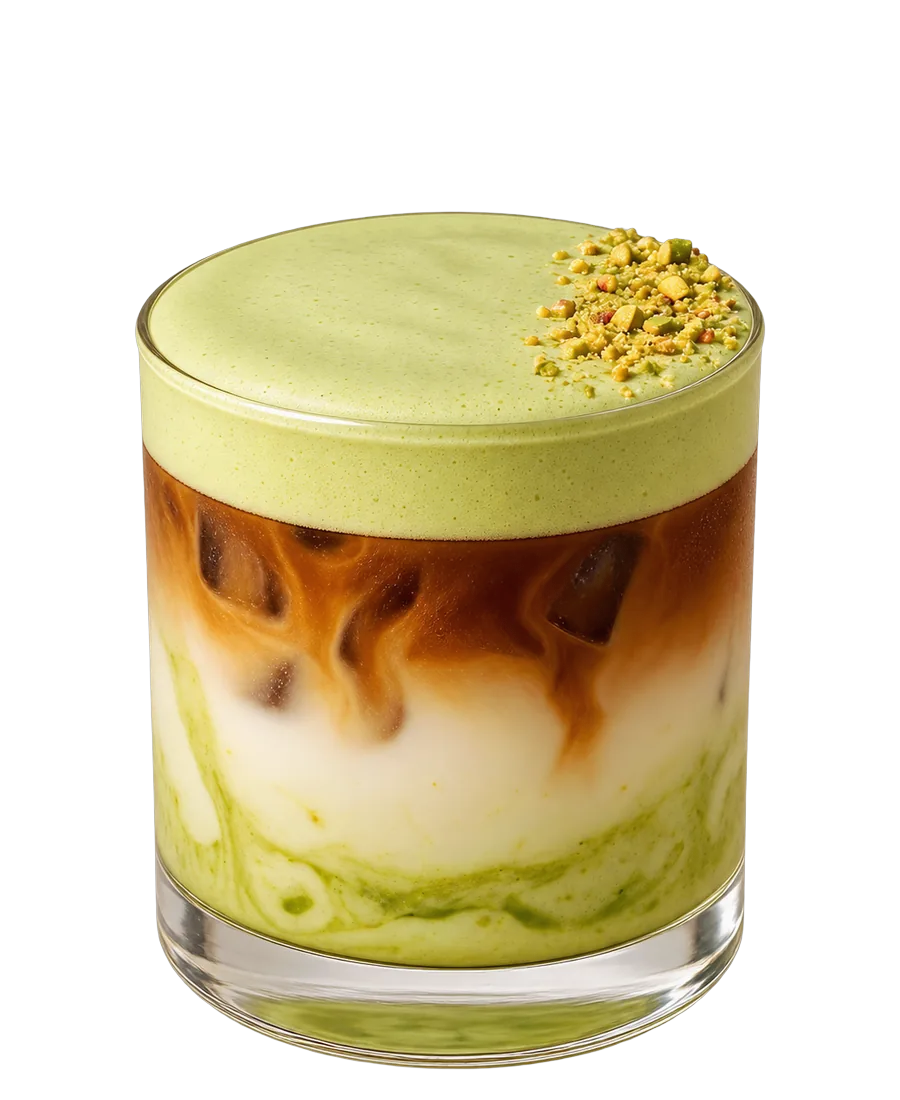
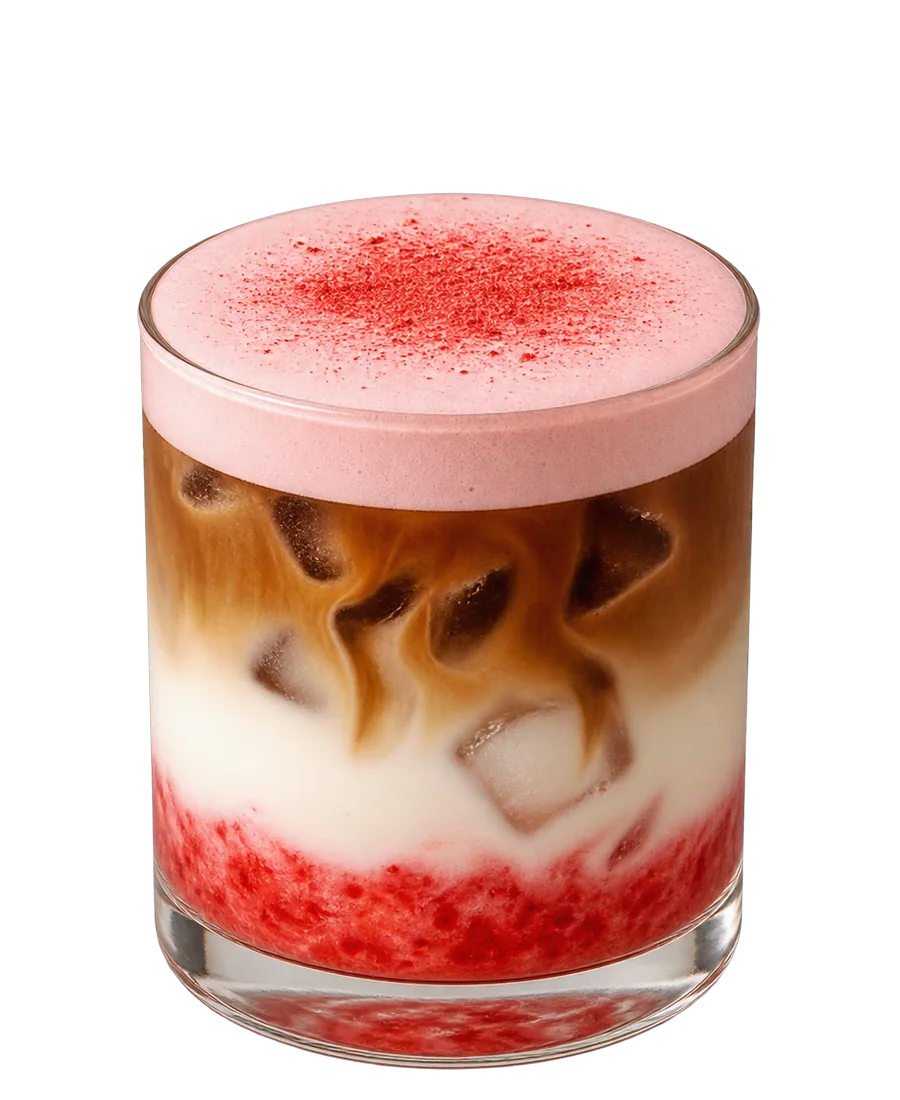
If you have seen one of our seasonal drinks, you know that thick, soft layer floating on top of the iced coffee: pistachio green, strawberry pink or vanilla cream. It is called cold foam, and it is probably the thing we get asked about most at the bar.
What it is, exactly
Cold foam is milk frothed cold. Instead of heating it with the steam wand, the way you would for a cappuccino, you whip it cold until it traps air and turns dense. The result is a foam you can pour, one that floats on an iced drink and sinks into the coffee very slowly.
It caught on a few years ago in coffee shops in the United States, alongside cold brew, as a way to give cold coffee the texture hot drinks have. Since then it has become a regular at bars around the world.
How it differs
- From whipped cream: whipped cream is made with heavy cream, is much richer and sits stiff on top of the drink until it melts. Cold foam is lighter, it moves and it blends in as you drink.
- From cappuccino foam: that foam is hot, finer and silkier, and it merges with the coffee from the first sip. Cold foam stays on top much longer.
Why we use it so much
We like it because it layers the drink. The first sip goes through the foam and brings the seasonal flavor: pistachio, strawberry, vanilla. Below comes the espresso, intense and cold. Last, the milk and the fruit at the bottom. The balance shifts a little with every sip, so the drink doesn’t taste the same at the start as it does at the end.
It is also about how it looks. Our seasonal drinks are served in glass, and you can see the layers of fruit, milk, coffee and foam from the outside. We care that a drink looks as good as it tastes.
We change them every couple of months. Some wear cold foam, others have crushed fruit at the bottom, like the mango iced latte or the caramelized banana one. You can see the ones that have passed through the bar in our seasonal section.
The first sip is foam, the second is coffee, and the last is whatever settled at the bottom.
How to make it at home
You don’t need an espresso machine. A battery-powered handheld milk frother is the most useful tool. A French press works too.
Vanilla cold foam
- Cold milk
- 60 ml
- Cream
- 15 ml
- Vanilla
- 1 tsp
- Time
- 0:30
Put everything in a tall, well-chilled glass. Froth for 20 to 40 seconds, moving the frother from the bottom up, until the foam thickens and the big bubbles disappear. Pour it slowly over an iced coffee.
A few things we learned by trying:
- Keep everything cold. Milk straight from the fridge foams better. Chill the glass too if you can.
- Skim or semi-skimmed milk. They foam more easily than whole milk, because proteins are what hold the foam up. A splash of cream adds body and makes it more stable.
- With a French press: pour in the milk, pump the plunger up and down quickly thirty or forty times, and you are done.
- Plant milks: barista versions of oat milk work well. Almond is harder.
- Flavor: any syrup, a teaspoon of pistachio paste or a few strawberries, well crushed and strained. Add the flavor before frothing.
For the base, use a good cold brew or a double espresso over ice with a little milk. If you would like to brew your own filter coffee, we have recipes for four methods.
If you are in Puerto Ayora, the farm’s coffee is waiting on Avenida Charles Darwin.
Find us