Half a day in the Santa Cruz highlands
Twenty minutes uphill from the harbor and the island changes completely. A simple route for a morning of mist, tortoises and lava.
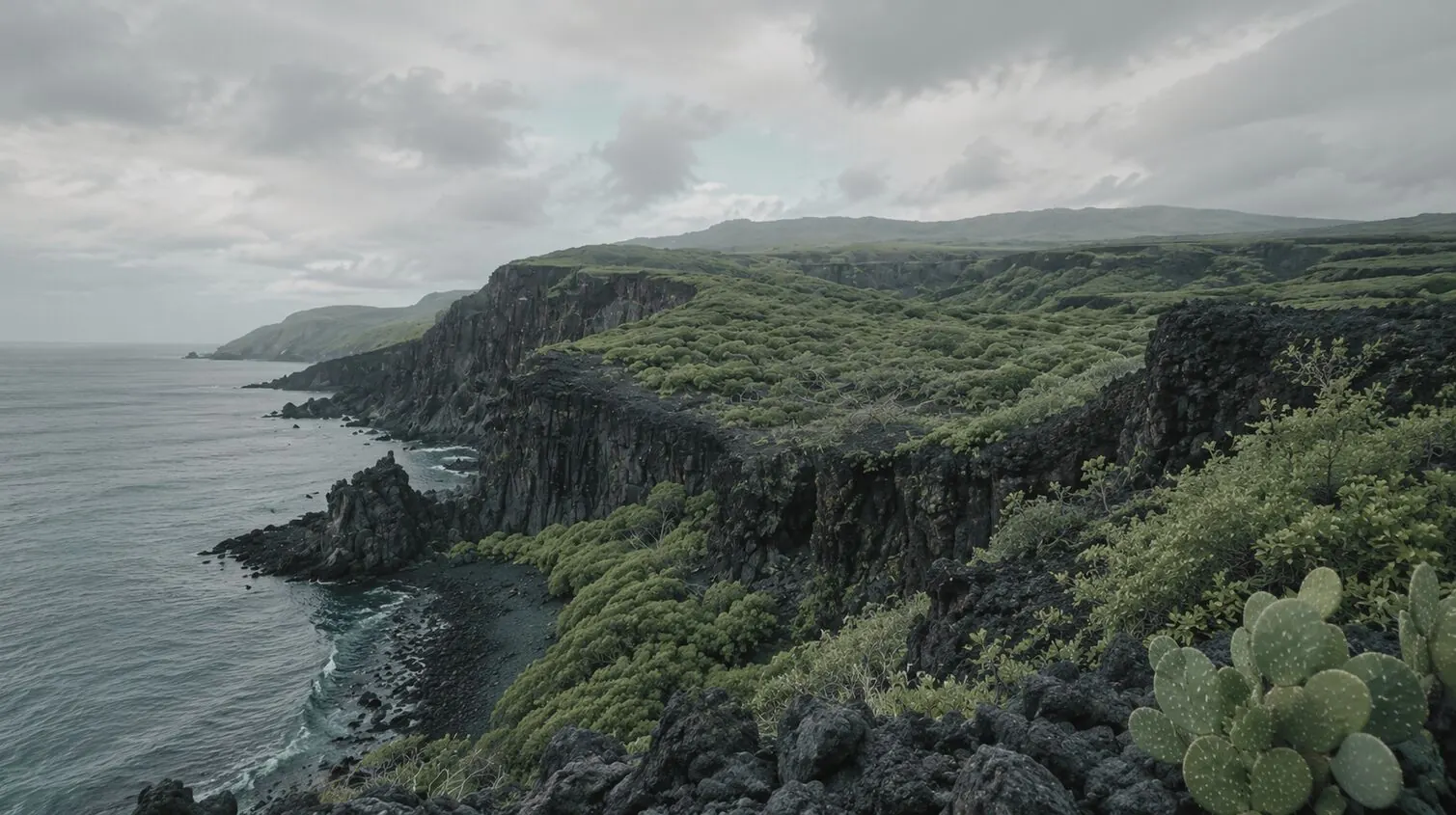
From Puerto Ayora, the road climbs north toward the Itabaca Channel and the airport on Baltra. Ten minutes in, the landscape has already changed: the cactus and black rock of the coast fall behind, pastures appear, the trees grow coats of moss and, depending on the season, fine drops start collecting on the windshield. These are the Santa Cruz highlands, and a single morning is enough to see them well.
This is the route we usually suggest when someone asks at the bar. It doesn’t need a tour or much planning.
Getting up there
The easiest way is to hire a taxi for half a day. In Puerto Ayora the taxis are white pickup trucks, easy to find on Avenida Charles Darwin, and most drivers know this route well. Agree on the price and the stops before you set off. You can also go with one of the agencies in town, which usually combine these same stops.
Some people rent a bike, ride up in a taxi and cycle back down. It is a long, pleasant descent, but the road carries truck traffic, so take it easy.
1. Giant tortoises in the wild
Near the village of Santa Rosa there are private reserves, such as El Chato and Rancho Primicias, where giant tortoises roam freely among pastures and ponds. They are not in pens: they arrive, graze, soak in the mud and leave when they feel like it. Watching an animal of more than two hundred kilos plod through the mist is one of those things that stays with you.
How many you see depends on the time of year, since the tortoises move between the highlands and the lowlands. The reserves charge an entrance fee and some lend rubber boots, which you will appreciate in garúa season.
The National Park rule is simple: stay at least two meters away, don’t touch them and don’t block their path.
2. Lava tunnels
When lava flows, its surface cools and hardens while the inside keeps moving. When it drains out, a tube is left behind. The Santa Cruz highlands have several you can walk through, some inside the tortoise reserves and others near Bellavista. They are cool, quiet and, in a few stretches, you have to duck a little. Bring a flashlight or use your phone.
3. Los Gemelos
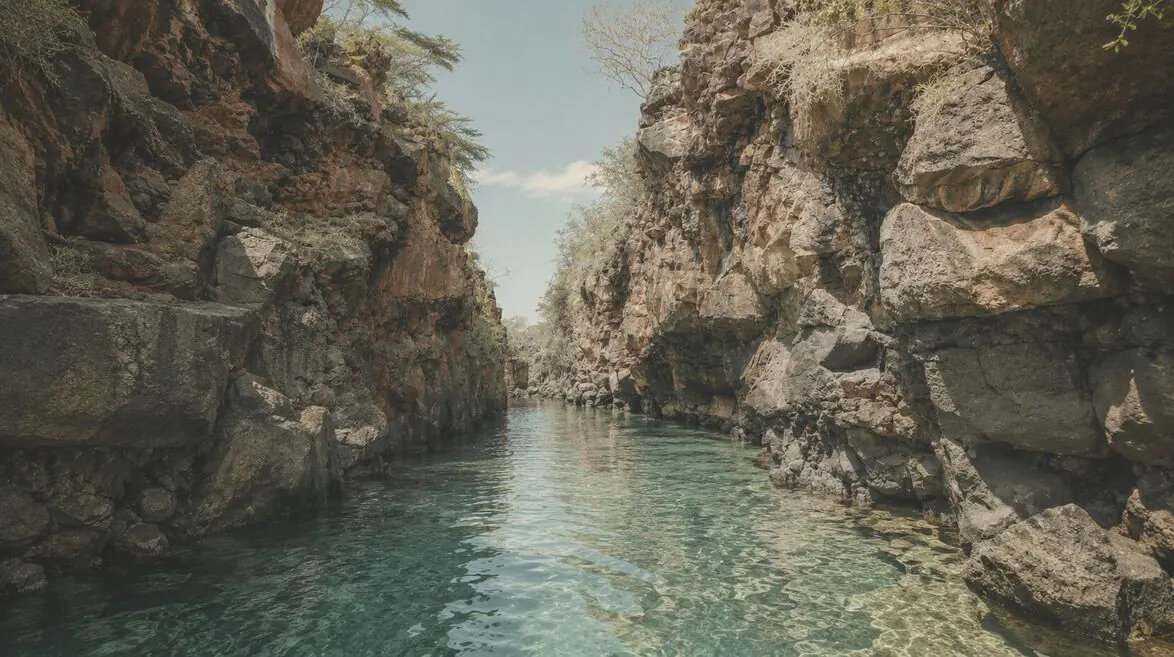
A little above Santa Rosa, on either side of the road, are two enormous sinkholes: Los Gemelos, the Twins. They look like craters, but they formed when the roofs of old lava chambers collapsed. Today they are overgrown and ringed by Scalesia forest, the endemic tree that once covered the island’s entire humid zone.
A short trail, under an hour at an easy pace, loops around both. It is one of the best places on Santa Cruz for land birds: Darwin’s finches, a short-eared owl if you are lucky and, with a lot of patience, the brujo, the little red bird whose population on the island is being nursed back. We wrote a whole piece about it.
In the mist at Los Gemelos, the island sounds different: dripping leaves, finches and wind in the Scalesia.
If you have energy to spare
From Bellavista, a trail climbs toward Media Luna and Cerro Crocker, the highest point on the island. It is a long walk, often muddy and misty, but on a clear day the view over Santa Cruz and the neighboring islands is worth every step. Ask in town about trail conditions and whether you need a guide before you go.
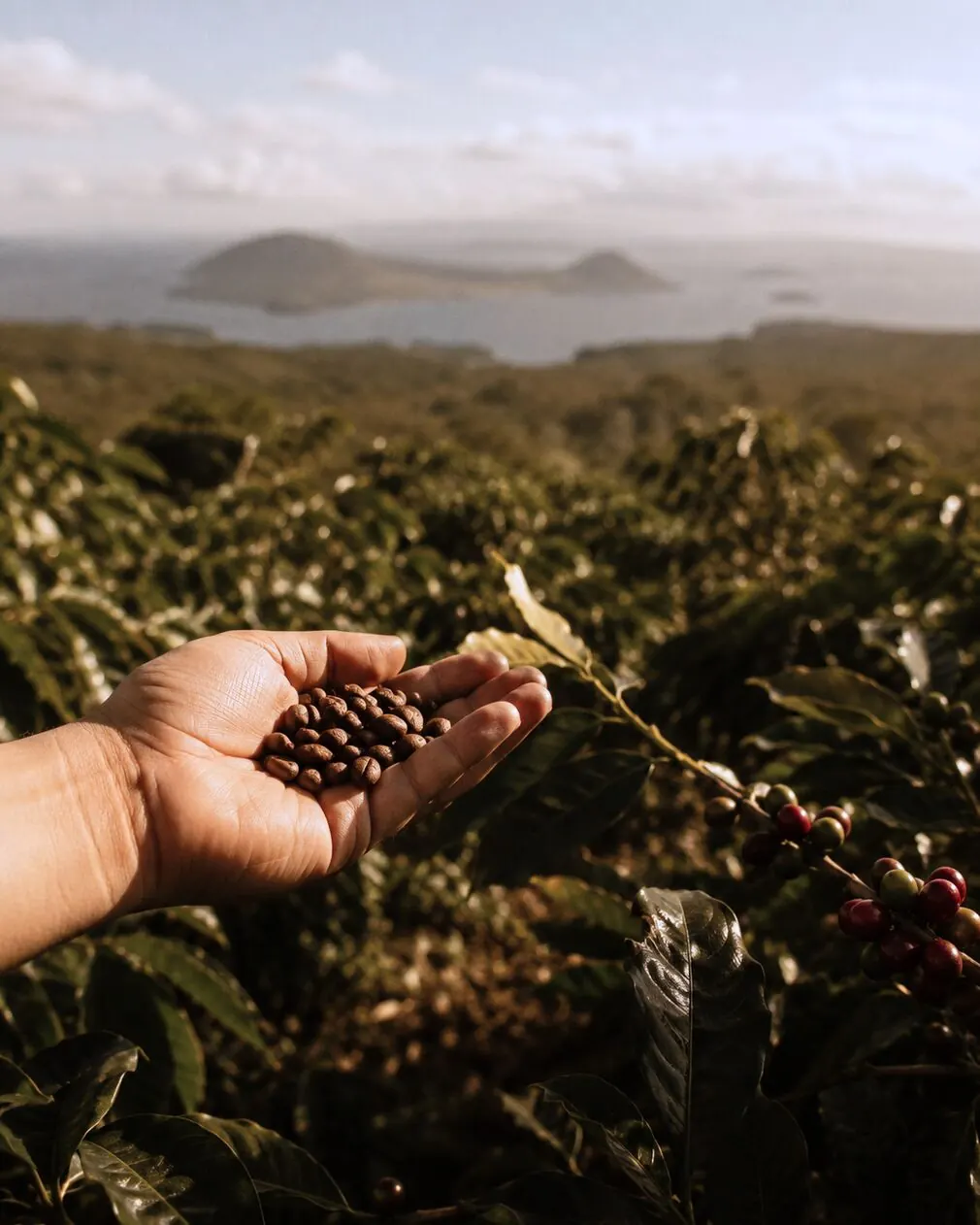
There are also coffee farms in the highlands that welcome visitors. If you are curious about how coffee grows in the islands, we wrote about what makes Galápagos coffee so unusual.
What to bring
- A light jacket or rain shell. It is several degrees cooler than at the harbor, especially from June to November.
- Closed shoes. The mud is part of the experience.
- Water and some cash for the reserve entrance fees.
- A flashlight for the tunnels.
When to go
In the morning, without question. The birds are more active, there are fewer people and you keep the afternoon free for the beach. From June to November, in garúa season, everything is wrapped in mist and very green, with an almost mountain feel. From December to May it is warmer and sunnier, with short, heavy showers on some days.
Three or four hours is enough to do it all without rushing. When you get back to town, stop by Avenida Charles Darwin: the coffee we serve grows on the same hills you just came down from.
If you are in Puerto Ayora, the farm’s coffee is waiting on Avenida Charles Darwin.
Find us